
Popular Foundation Repair Products For Structural Integrity
Explore proven solutions that help restore and maintain the strength of your home's foundation over time.
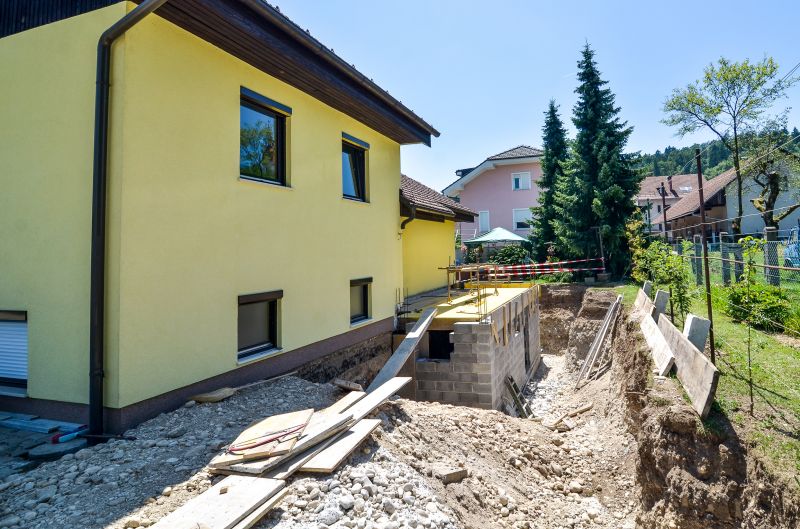 Foundation repair products are essential components in maintaining the stability and safety of a structure. When dealing with foundation issues, it is important to understand the variety of solutions available to address different types of problems such as settling, cracking, or shifting. These products are designed to reinforce, lift, or stabilize foundations, helping to prevent further damage and preserve the integrity of the building. Proper selection and application of foundation repair products can contribute to long-term durability and peace of mind for homeowners and property managers alike.
Top Overall Option
Polyurethane Injection Kits
Polyurethane injection kits are versatile and commonly used for sealing cracks and stabilizing minor foundation shifts. They are easy to apply, minimally invasive, and effective at preventing water infiltration and further cracking. These kits are suitable for quick repairs and can be used on various foundation materials, making them a popular choice among homeowners and contractors alike.
Types of Products For Foundation Repairs
Hydraulic Push Piers
Hydraulic push piers are used to lift and stabilize sinking foundations by transferring the load to stable soil beneath the foundation.
Helical Piles
Helical piles are screw-in foundation supports ideal for difficult soil conditions and can be used to stabilize and lift foundations.
Polyurethane Foam Sealants
These foam sealants are used to fill cracks and voids, preventing water intrusion and further deterioration.
Underpinning Systems
Underpinning involves extending the foundation to deeper, more stable soil layers, often using various underpinning products and methods.
Steel Push Piers
Steel push piers are driven into the ground to lift and stabilize foundations affected by settling or shifting.
Concrete Jack Posts
These adjustable posts provide support beneath sagging or uneven floors caused by foundation issues.
Soil Stabilization Grouts
Grouts are injected into the soil to improve its load-bearing capacity and reduce shifting.
Carbon Fiber Reinforcement
Carbon fiber strips are used to reinforce cracked walls and prevent further movement.
Mortar and Sealants
Used to repair minor cracks and gaps in foundation walls, providing a seal against water and pests.
Drainage Systems
Proper drainage solutions help reduce water accumulation around foundations, minimizing soil movement.
Vibration and Compacting Equipment
Tools used to stabilize soil around foundations during repair processes.
Foundation Repair Anchors
Anchors are used to stabilize and secure foundation walls affected by lateral pressure.
Popular Choices
Hydraulic lift systems are commonly used to raise and level foundations affected by settlement or sinking.
Sealants injected into cracks to prevent water intrusion and stabilize the wall structure.
Steel push piles are driven into the ground to provide foundational support and prevent further sinking.
Carbon fiber strips are popular for reinforcing cracked foundation walls and preventing future cracking.
Injectable grouts used to enhance soil stability around the foundation.
Various underpinning piers are frequently used to lift and stabilize settling foundations.
Membranes applied to foundation walls to prevent water penetration and reduce hydrostatic pressure.
Products designed to improve drainage around the foundation, reducing moisture-related issues.
Posts that can be adjusted to level floors and support sagging areas caused by foundation movement.
Tools used during soil stabilization to compact soil and reduce shifting.
Anchors used to stabilize walls and prevent lateral movement.
In Cleveland, Tennessee, where soil conditions and climate can influence foundation stability, choosing the right repair products is particularly important. Whether dealing with minor cracks or significant shifts, there are numerous options tailored to specific needs. From underpinning systems to hydraulic jacks, each product serves a unique purpose and requires careful consideration to ensure compatibility with the existing foundation structure.
Investing in quality foundation repair products involves understanding their purpose, installation methods, and suitability for different types of foundation materials such as concrete, brick, or stone. Proper application can mitigate risks associated with water infiltration, soil movement, and structural stress. Consulting with foundation specialists or experienced contractors can help determine the most appropriate solutions for your specific situation, ensuring that repairs are effective and durable over time.
Overall, selecting the right foundation repair products is a critical step in maintaining the safety and value of your property. With a wide array of options available, property owners in Cleveland, TN, should prioritize products that are well-suited to their foundation type and specific issues. Regular inspections and timely repairs can help extend the lifespan of a building and prevent costly future damages.
Key Buying Considerations
- Assess the specific foundation issues, such as cracking, sinking, or shifting, to select appropriate products.
- Determine the foundation type and material to ensure compatibility with repair solutions.
- Consider the soil conditions and drainage around your property, as these can influence repair needs.
- Evaluate the severity of the problem to decide between minor crack fillers and more comprehensive underpinning systems.
- Check product specifications for load capacity and suitability for your property size and foundation weight.
- Review installation requirements—some products may require professional expertise, while others are DIY-friendly.
- Prioritize products with good safety and durability records to ensure long-term effectiveness.
- Consider the potential for future repairs; choose adaptable systems that can be expanded if needed.
- Research warranty options and manufacturer support for the products you select.
- Factor in budget constraints while balancing quality and longevity of the repair products.
- Consult with foundation repair specialists to get tailored recommendations based on your specific situation.
- Review customer feedback and product reviews to gauge real-world performance.
- Ensure that the products comply with local building codes and standards.
- Think about the environmental conditions, such as moisture levels and temperature fluctuations, that could impact product performance.