Optimal Timing for Foundation Repairs
Foundation repairs are most effective when performed during specific times of the year, typically when weather conditions are stable. Cooler, dry months reduce the risk of water infiltration and soil movement, which can interfere with repair processes. Spring and fall often provide optimal conditions due to moderate temperatures and lower moisture levels.
Spring offers moderate weather, making it suitable for foundation work before the heat of summer or cold of winter. Soil tends to be less saturated, providing better stability.
Fall provides cooler temperatures and less rainfall, which can help ensure repairs are completed before winter sets in.
Extreme heat in summer or freezing temperatures in winter can hinder repair processes and affect the longevity of repairs.
Timing repairs when soil moisture levels are optimal reduces the risk of shifting or settling that can compromise foundation stability.

Spring is ideal for foundation repairs due to favorable weather conditions.

Fall offers cooler, dry conditions suitable for effective repairs.

Optimal soil conditions during mild weather support long-lasting repairs.

Scheduling during moderate seasons ensures minimal weather-related disruptions.
| Season | Recommended Timing |
|---|---|
| Spring | Ideal for foundation repairs before summer heat. |
| Summer | Less suitable due to heat and potential drought conditions. |
| Fall | Optimal for repairs before winter. |
| Winter | Generally not recommended due to freezing temperatures. |
| Late Spring/Early Fall | Good transitional periods for scheduling repairs. |
Foundation repairs address issues such as settling, cracking, and shifting that can compromise structural integrity. Timely repairs can prevent further damage, reduce long-term costs, and maintain property value. The choice of repair timing depends on weather conditions, soil moisture levels, and project scope, all of which influence the success and durability of the work.
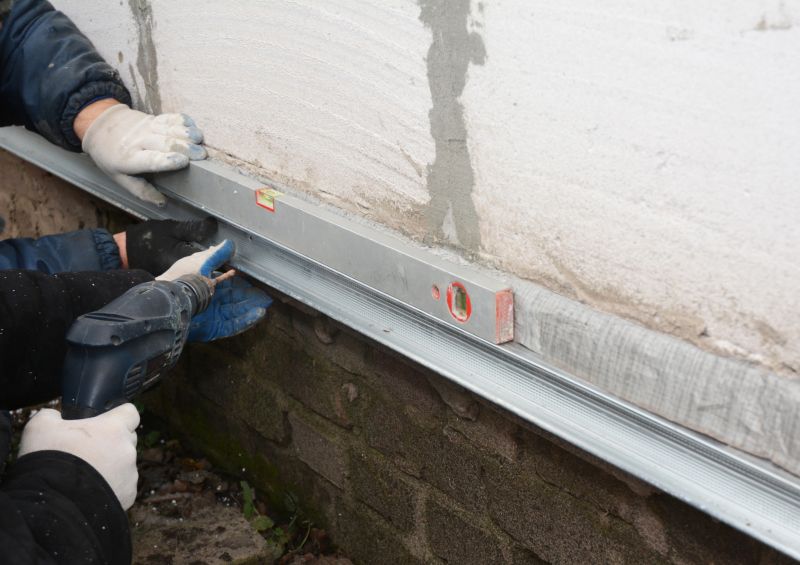
Proper timing enhances the effectiveness of foundation stabilization methods.
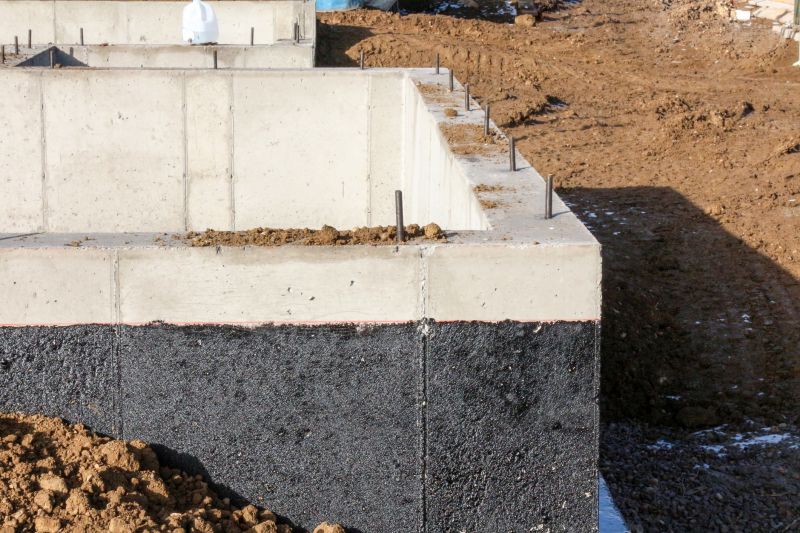
Weather conditions directly influence soil behavior and repair outcomes.
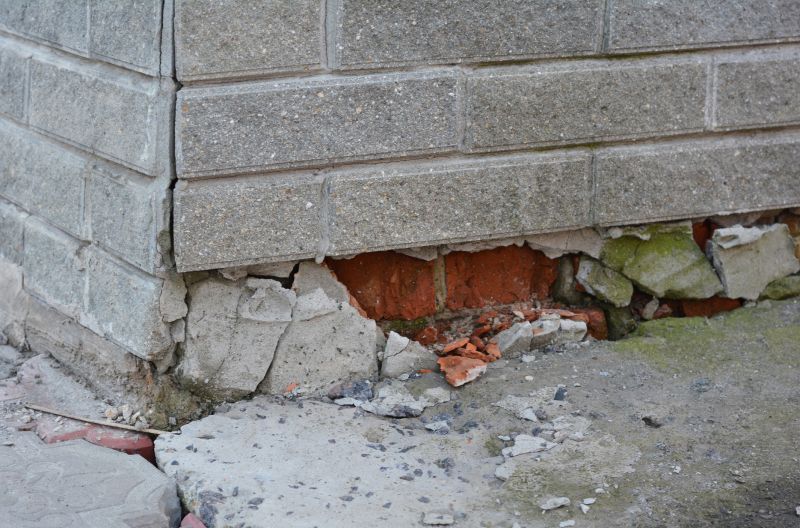
Addressing cracks early during suitable seasons can prevent extensive damage.
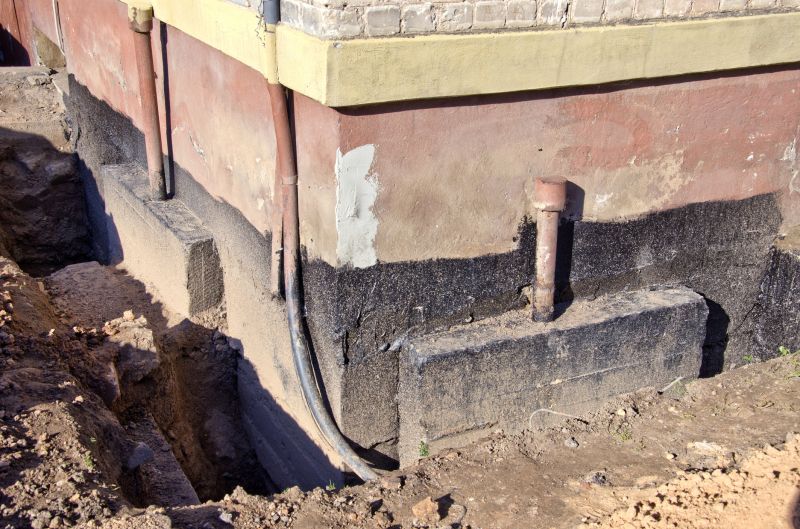
Scheduling repairs during optimal weather ensures better preparation and results.
Timely foundation repairs are essential for maintaining structural safety and preventing costly damages. Optimal timing aligns with seasonal weather patterns, soil conditions, and project requirements. Planning repairs during favorable periods can improve the quality and longevity of the work, ensuring the stability of the property for years to come.
Interested in foundation repairs? Filling out the contact form can help schedule assessments during the best seasons for your specific needs, ensuring a smooth and effective repair process.